Friuli-Venezia Giulia · Italy · 2024–2026
A structured, data-led educational program rooted in local communities.
ParlaCambia is a gender-based violence prevention project delivered in middle schools and communities across Friuli-Venezia Giulia. It combines classroom sessions led by psychotherapists, a baseline questionnaire that guides content selection, AI-supported digital tools to generate scenarios in the students' own language, and a visible public dissemination phase.
In-class Microsoft Forms questionnaire to capture beliefs and attitudes around stereotypes, boundaries, consent, control dynamics, and forms of violence (including non-physical).
A common first session on the three priority topics from the questionnaire, followed by personalized sessions per class on jealousy, emotional pressure, demeaning language, and asking for help.
AI-based platforms to generate educational scenarios in the students' language and to collect aggregated, anonymous data — useful to guide sessions and monitor trends.
Overall reach of the project across the two territorial clusters in Friuli-Venezia Giulia. Figures from the signed 2025 final reports submitted to the FVG Autonomous Region.
By design, the project sells to groups of municipalities — never to a single town — to build territorial coherence, lower unit costs, and create peer references between mayors.
In collaboration with I.C. di Trasaghis
"Against gender-based violence · Beyond stereotypes · with AI support"
In collaboration with I.C. di Tarvisio
"Youth against violence · Talking to adults to change together"
The project left tangible, documented outputs in the territory — both as educational outcome and as dissemination tools.
A recognizable mark to ensure consistency across classroom activities, public dissemination and digital tools. Brand manual available.
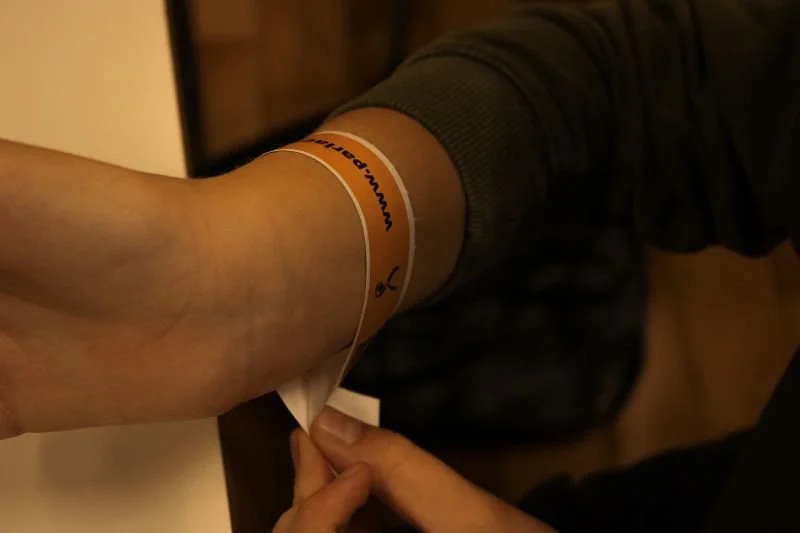
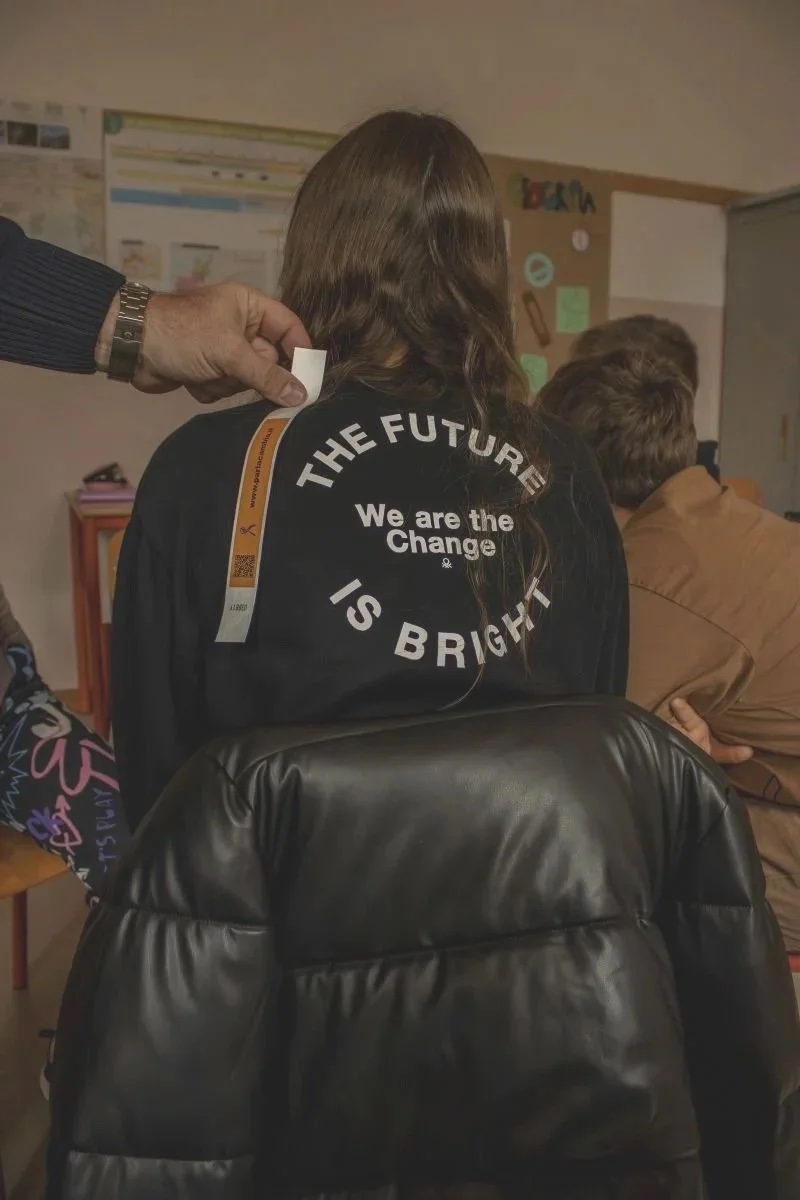
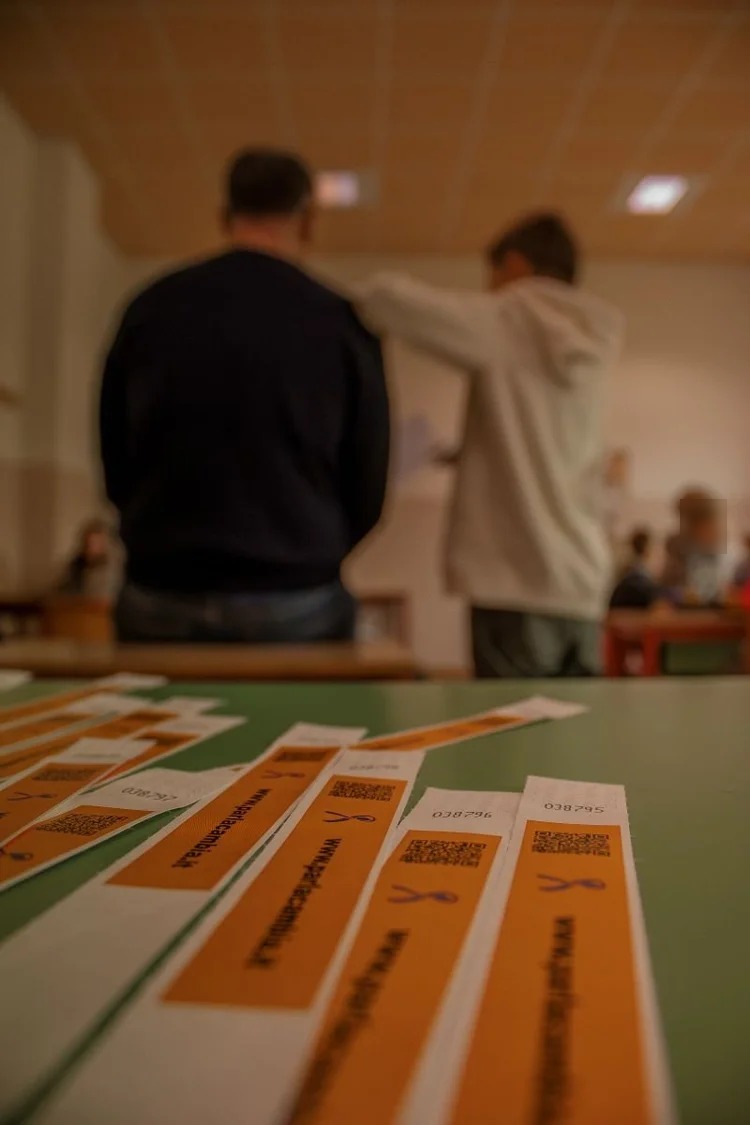
An AI chatbot accessible via QR code (including on a bracelet), to extend engagement to families and create indirect contact with the broader community.
Information panels (~600 contacts), photo exhibition (~400), posters and materials (~400), digital summary booklet (~400).
Exhibition opening on 11 February 2026 with public authorities, schools and partners. A summary video (mission, vision, data) was shown during the event.
Data collected in a structured way inside the participating schools, providing a specific picture of the local contexts — not just national aggregates.
A stable space for information, awareness and re-launch of the project's content beyond its formal closure. This is the site you are reading.
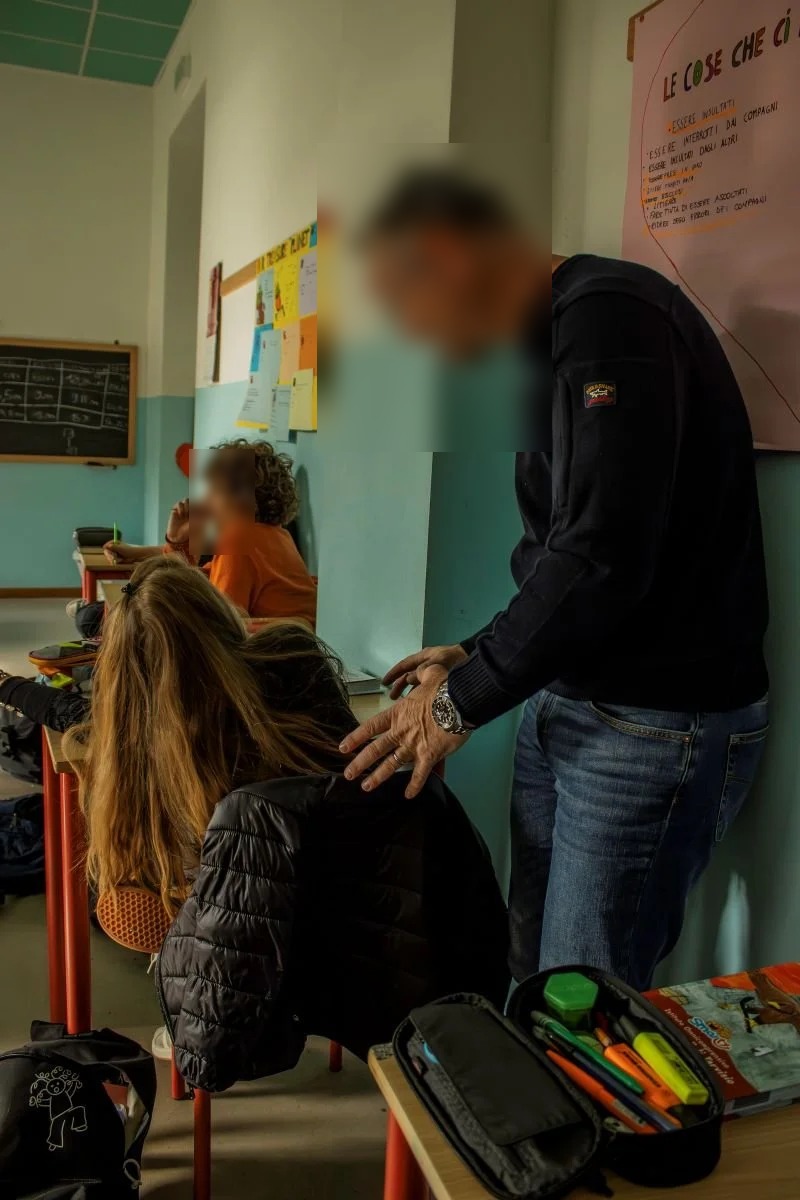
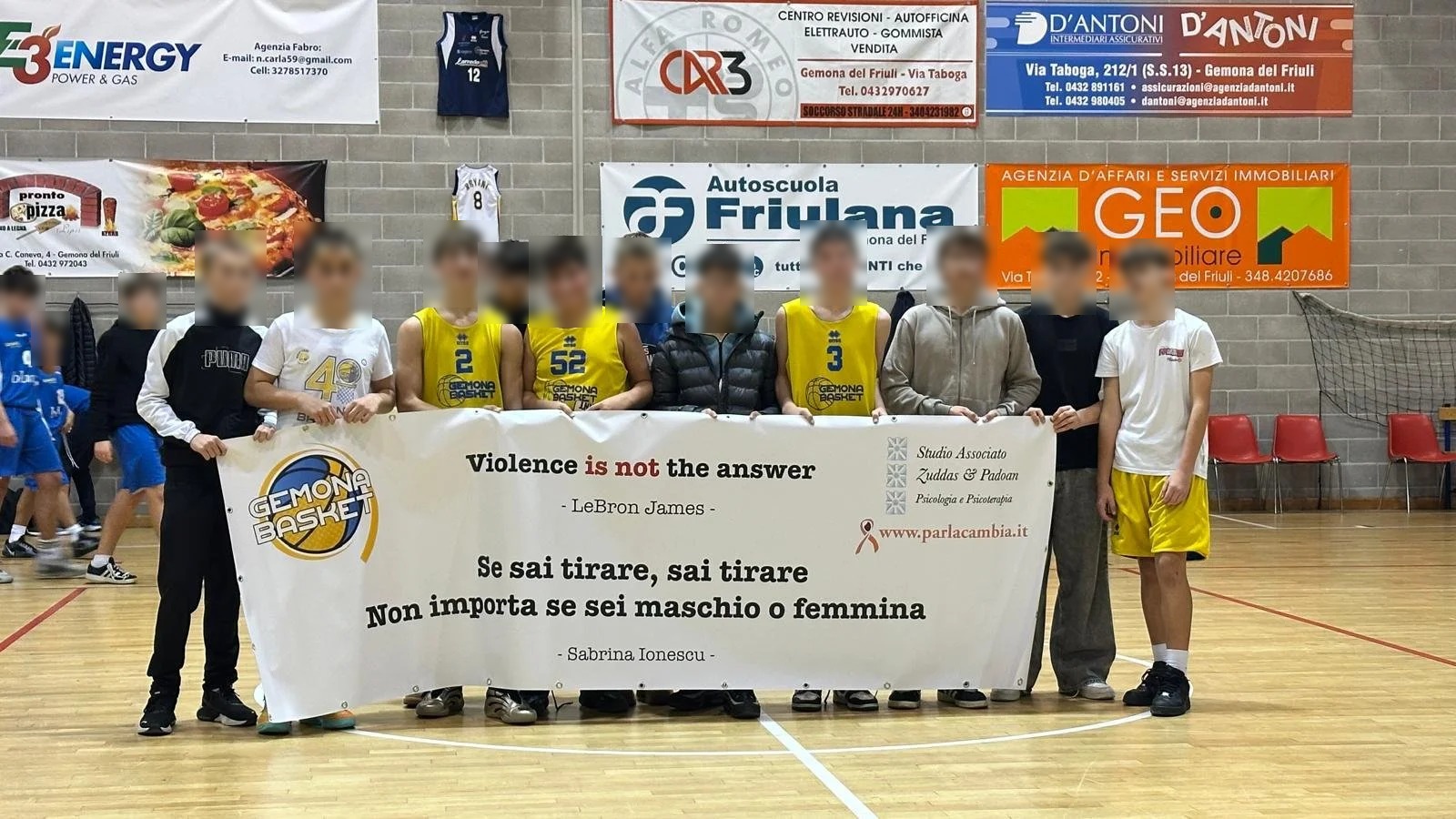
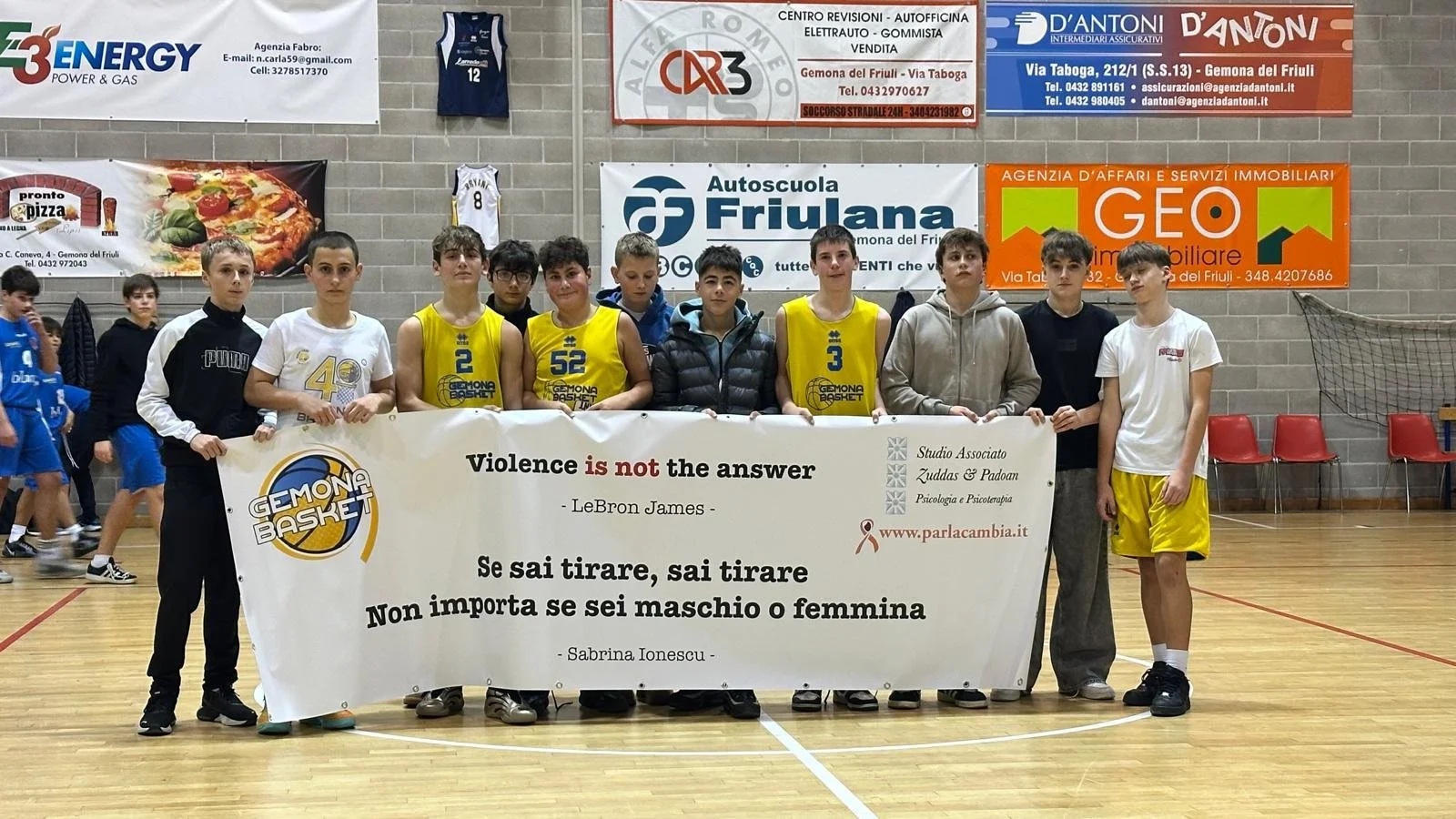
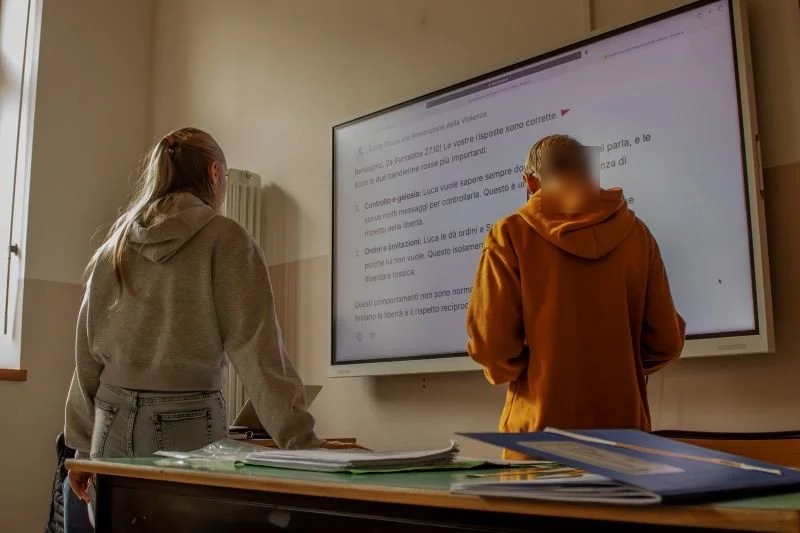
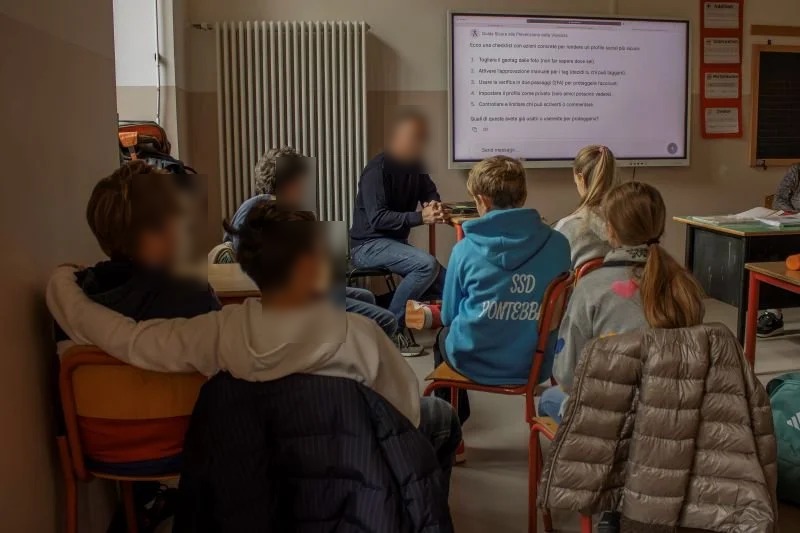
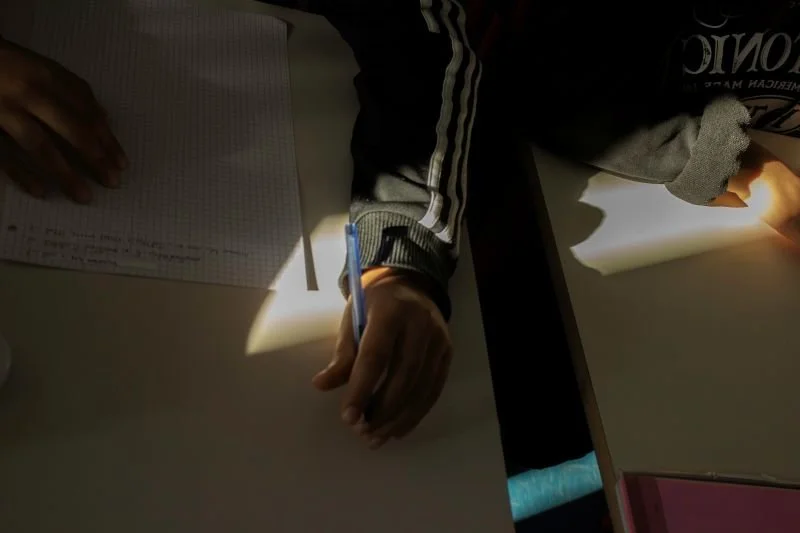
Photos from classroom sessions and public events. To protect minors, the faces of participants under 18 are blurred.
Signed final reports and the program's technical documentation.